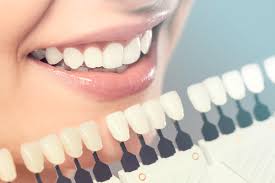
Cosmetic dentistry used to feel like a private choice for adults. Today you see it shaping whole families. Parents and children sit in the same waiting room and ask the same questions about smiles, confidence, and cost. A Palo Alto dentist now plans treatment with your entire household in mind. You want your teen to feel safe during whitening. You want your own chipped tooth fixed without missing work. You also want clear answers about what insurance will cover. This shift is not about looks alone. It is about comfort, trust, and long term health. When you understand why cosmetic care is turning toward families, you can plan better. You can protect your budget. You can protect your child’s self respect. The next sections explain three clear reasons for this change and how they affect your choices.
Reason 1: Families link looks with health
You do not see a smile as only a beauty choice. You see it as part of health. That view is growing in many homes.
The Centers for Disease Control and Prevention explains that poor oral health connects with pain, missed school, and missed work. When you know that, stained or chipped teeth stop feeling like a small issue. They become a warning sign.
Many cosmetic treatments now support basic care. For example
- Tooth colored fillings repair decay and match the tooth.
- Crowns protect weak teeth and improve shape.
- Aligners straighten teeth and make brushing easier.
You want your child to chew without pain. You also want your child to smile in photos. You want both for yourself. That shared goal pulls cosmetic choices into family talks instead of private visits.
You also face clear numbers. When a problem tooth breaks, the fix often costs more than early cosmetic repair. Families now ask the dentist to plan for three things at once. They want function. They want strength. They want a natural look. That mix drives many cosmetic tools into routine family care.
Reason 2: Treatment plans fit family schedules and budgets
Time, money, and stress shape your choices. Modern cosmetic dentistry now bends around those limits. That change makes it easier to bring in the whole family.
You may see new options such as
- Evening or weekend appointments for working parents and school age children.
- Grouped visits so two or three family members can be seen in one trip.
- Step by step treatment plans that spread care across months or years.
Dentists also explain costs in clearer ways. They often show what insurance might pay and what counts as out of pocket. Some cosmetic work overlaps with health needs. For example, a crown after a root canal may be partly covered. A whitening treatment usually is not. That can feel confusing.
The National Institute of Dental and Craniofacial Research gives basic guidance on finding and paying for dental care. That resource can help you ask sharper questions about costs and choices.
Families now compare options in simple terms. You might ask how long each treatment lasts, how many visits you need, and how it affects daily life. The table below shows an example of how a family might compare three common cosmetic choices.
Sample comparison of common cosmetic treatments for families
Treatment | Usual purpose | Typical visits | Home care impact
|
|---|---|---|---|
Teeth whitening | Lighten stains for teens and adults | 1 to 3 office visits | Avoid dark drinks. Use custom trays if given. |
Clear aligners | Straighten mild to moderate crowding | Regular checks every few weeks | Wear aligners 20 to 22 hours per day. Clean after meals. |
Tooth colored crowns | Protect cracked or weak teeth | 2 main visits after exam | Brush and floss as usual. Avoid very hard foods. |
This kind of clear picture helps you choose what fits your family. You can plan around sports seasons, exams, and work trips. You can also match care to savings goals instead of reacting in a crisis.
Reason 3: Confidence now feels like a family need
Appearance affects how you and your children move through school, work, and social life. That truth can hurt. It also gives you a chance to protect your family.
Children with untreated dental problems often miss class and may withdraw from others. Adults with missing or stained teeth may avoid job interviews or public speaking. You might see your child cover their mouth in photos. You might do the same in meetings. Those quiet habits can shape self respect.
Cosmetic dentistry now responds to that shared emotional load. Many offices train staff to speak in plain terms and invite questions from every age. They use photos and models so your child can see what will happen. They offer simple comforts such as music or blankets. Those touches are small. They still matter for a nervous teen or a parent who had a rough dental visit in the past.
Families also think about social media. Your child may see polished smiles online every day. You might see work profiles that highlight appearance. That pressure can feel heavy. Thoughtful cosmetic care can ease some of that weight. It can help your child stand in a group photo without shame. It can help you talk without hiding your teeth.
Three core needs often guide these choices.
- You want your family to feel safe in the chair.
- You want your family to feel seen and heard.
- You want your family to feel proud when they smile.
When a dentist respects those needs, cosmetic work becomes part of your support system. It stops feeling like a luxury and starts feeling like protection.
How you can use these trends for your family
You can use this shift toward family focused cosmetic care in clear ways.
- First, ask for a full plan that covers health, function, and appearance for each family member.
- Second, request cost ranges and timing for each step so you can budget.
- Third, involve your children in simple choices such as color charts or scheduling times.
You have the right to clear answers. You also have the right to say no or to wait. Cosmetic dentistry is becoming more family oriented because families like yours are asking harder questions. When you do that, you protect more than teeth. You protect comfort, time, and dignity for everyone in your home.
Read Also: How Cosmetic Dentistry Works Alongside Orthodontic Treatments