Your pet’s health is important. Recognizing signs of distress can save your pet’s life. You need to know when to act quickly. A Kenosha veterinarian shares four clear signs that mean your pet should visit an animal hospital immediately. First, if your pet struggles to breathe, don’t wait. Second, sudden changes in behavior might indicate serious problems. Third, visible wounds or bleeding require urgent attention. Finally, if your pet can’t stand or walk, seek help now. Keeping your pet safe begins with understanding these warning signs. You can prevent suffering and reduce risks. Reach out to professionals who can provide the care your pet needs. Your pet counts on you to make these decisions. Trust your instincts and act swiftly when you notice these signs. Remember, seeking help promptly saves lives.
Breathing problems in pets are alarming. Look for signs like rapid breathing, wheezing, or gasping. These indicate respiratory distress. Do not hesitate to seek immediate help. The issue could be due to allergies, obstruction, or heart problems. Breathing is essential for life. If your pet struggles, act. According to the American Veterinary Medical Association, respiratory issues require urgent care. Quick response can prevent further complications. Watch your pet closely for these signs.
Behavioral Changes
Sudden behavioral shifts need attention. Notice if your pet becomes aggressive, lethargic, or overly anxious. These changes might signal pain or illness. Pets cannot tell you when they hurt. You must observe their actions. Behavioral changes can point to issues like infections or neurological problems. Experts from ASPCA emphasize the importance of monitoring these signs. Prompt action helps in diagnosing and treating the underlying cause. Keep track of your pet’s usual behaviors to catch these changes early.
Visible Wounds or Bleeding
Visible injuries should never be ignored. Whether it’s a minor cut or major wound, they require immediate care. Bleeding can lead to severe blood loss or infection. Pets often hide pain well, making visible signs crucial. Clean and dress wounds if possible, but seek professional treatment. Veterinary experts recommend not delaying a visit to the animal hospital for severe wounds. Quick action ensures proper healing and reduces the risk of complications. Always prioritize your pet’s immediate welfare when injuries occur.
Inability to Stand or Walk
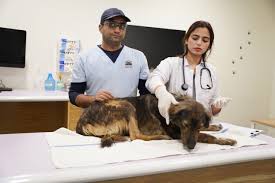
Mobility issues need urgent attention. If your pet struggles to stand or walk, it could indicate fractures, arthritis, or neurological problems. Difficulty in movement suggests severe discomfort or injury. Do not wait to see if the condition improves on its own. Consulting with veterinary professionals ensures accurate diagnosis and treatment. Immediate care can prevent further harm and promote recovery. Always prioritize mobility concerns as they directly impact your pet’s quality of life.
Comparison Table of Signs and Necessary Actions
Sign
Immediate Action
Potential Cause
Breathing Difficulties
Visit Animal Hospital
Allergies, Heart Issues
Behavioral Changes
Observe and Contact Vet
Pain, Infections
Visible Wounds/Bleeding
Clean and Seek Care
Injury, Trauma
Inability to Stand/Walk
Visit Animal Hospital
Fractures, Neurological Issues
Keeping your pet safe involves understanding and acting on signs of distress. Your pet relies on you to notice and take action. Timely visits to an animal hospital can save lives. Ensure you are prepared and informed to make these critical decisions. Remember, the health and happiness of your pet depend on your responsiveness and care.