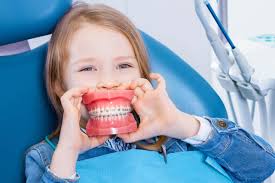
Your child’s teeth change fast. You see new teeth appear, others fall out, and sometimes you wonder what is normal. Family dentists track this growth step by step so you do not have to guess. They watch how baby teeth come in, how the jaw grows, and when adult teeth should appear. They look for small warning signs early. That includes crowding, delayed teeth, or bite problems that can affect speech, sleep, and confidence. Early tracking can prevent pain and costly treatment later. It can also reduce the chance your child might need braces, surgery, or even dental implants in Stouffville as an adult. This blog explains how family dentists follow dental growth, what they look for at each age, and how you can support healthy teeth at home. You will see what to expect at visits and how to ask clear questions about your child’s mouth.
Teeth and jaws shape how your child eats, speaks, and smiles. When growth goes off track, problems build quietly. You may not see trouble until your child feels pain or avoids smiling. Family dentists watch growth early so your child can stay ahead of problems.
They track three main things.
Timing of baby and adult teeth
Shape and size of the jaws
Habits that change growth, like thumb sucking or mouth breathing
When dentists find small changes early, treatment is often simple. That can mean a small filling instead of a root canal. It can mean a short time with braces instead of jaw surgery. Early checks protect your child’s comfort and your family’s budget.
Normal stages of dental development
Every child grows at a different pace. Still, there is a common pattern. You can use it as a guide, not a deadline.
Common timing of children’s tooth development
Age range
What usually happens
What dentists watch for
0 to 1 year
First baby teeth start to appear in the front
Teething pain, early decay from bottles, delayed first tooth
1 to 3 years
Full set of baby teeth forms
Tooth brushing habits, bottle or sippy cup use, early cavities
4 to 6 years
Baby teeth hold space for adult teeth
Spacing or crowding, thumb sucking, mouth breathing
6 to 12 years
Baby teeth fall out and adult teeth come in
Slow or fast tooth loss, bite problems, jaw growth
12 to teen years
Most adult teeth are present
Wisdom teeth, tooth wear from grinding, need for braces
Tools family dentists use to track growth
Dentists do not guess. They use clear tools to measure growth at each visit.
Medical and dental history. They ask about birth history, health issues, and family patterns. That helps them spot risk for delayed teeth or weak enamel.
Visual exam. They look at each tooth, the gums, the tongue, and how the jaws meet. They check how your child breathes and speaks.
Dental charts. They record which teeth are present, loose, or missing. At each visit they update this record to see change over time.
X rays. They use low dose images to see teeth that have not come in yet. They also check jaw bones and roots.
Photos and models. They may take photos or digital scans to track crowding and changes in the bite.
With these tools they can compare your child’s mouth to normal growth charts and to your child’s own past visits. That pattern tells them if something is off.
What dentists look for at each visit
At each checkup, the dentist looks for three groups of concerns.
Tooth health. Cavities, weak enamel, white or brown spots, broken or worn teeth.
Gum and bone health. Red or swollen gums, bleeding, early signs of gum disease.
Growth and bite. Crowding, gaps, overbite, underbite, crossbite, or teeth that do not meet well.
They also pay close attention to habits. Mouth breathing, thumb or finger sucking, tongue thrusting, or long use of pacifiers can change jaw shape. The dentist will talk with you about gentle ways to shift those habits before they cause lasting change.
Warning signs parents should watch
You see your child every day. Your eyes and ears are powerful. Call the dentist if you notice any of these signs.
Teeth that do not appear when others the same age have them
Baby teeth that do not loosen or fall out while adult teeth start to appear behind or above them
Chipped teeth, grinding sounds at night, or jaw clenching
Snoring, mouth breathing, or pauses in breathing during sleep
Speech troubles, lisping, or trouble chewing many foods
Pain when chewing, or your child avoids certain foods
Teeth that look crooked, crowded, or far apart
Early calls are never a bother. A short visit can rule out trouble or catch a problem while it is still small.
How tracking growth guides treatment
Tracking is only useful if it guides action. Dentists use growth records to plan simple steps at the right time.
Preventing cavities. They may suggest fluoride toothpaste, sealants on molars, or diet changes if they see early decay patterns.
Guiding jaw growth. If the bite is off, they may refer your child for early braces or other devices that guide jaw growth while bones are still soft.
Protecting adult teeth. If they see that adult teeth are stuck or crowded, they may remove a baby tooth early to open space.
Planning for wisdom teeth. In teen years, x rays show wisdom teeth. Dentists watch these teeth to plan if and when they should be removed.
These choices together lower the chance your child will face large treatment as an adult. That includes complex bridges, crowns, or implants.
Your role at home in tracking dental development
You share this work with the dentist. Your daily habits at home have strong power over how your child’s teeth grow and stay healthy.
Focus on three simple steps.
Routine brushing and flossing. Help your child brush two times a day with fluoride toothpaste. Floss once a day as soon as teeth touch.
Smart food and drink. Offer water instead of sweet drinks. Limit sticky snacks. Save sweets for mealtimes.
Routine checkups. Bring your child for dental visits at least once a year. Two times is often better, especially if your child has a higher risk of cavities.
The American Academy of Pediatric Dentistry advises that children visit a dentist by their first birthday. You can read their guidance at the American Academy of Pediatric Dentistry policy page.
Questions to ask your family dentist
Clear questions help you understand your child’s dental growth. At your next visit, you can ask.
Are my child’s teeth coming in at a normal time
Do you see any crowding or bite problems starting
Which teeth are at higher risk for cavities right now
How often should my child have x rays
What can we do at home to support healthy growth
Do you think my child may need braces later
Each answer adds to your knowledge. Over time you will see the pattern of your child’s dental growth. That knowledge brings calm. You will know what to expect and how to act early if something changes.