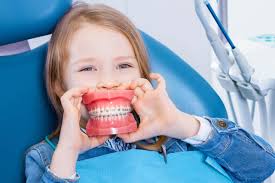
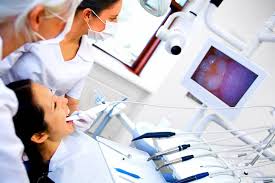
Tooth decay can start before a child enters school. You want answers that feel clear, quick, and safe. New methods now help dentists find cavities early, with less guesswork and less stress. Instead of relying only on sharp tools and bright lights, your child’s dentist can use gentle scanning lights, digital images, and sound waves. These tools can spot soft spots in teeth before they turn into painful holes. Early detection means smaller fillings, fewer shots, and shorter visits. It also means your child keeps a more natural tooth structure. If you visit family dentistry in Lennox, MA, you can ask how these new tools fit into your child’s checkups. You can learn what each device does and why it matters. You can also understand how often your child needs exams. Strong information gives you control. It lets you protect your child’s smile with less fear.
Tooth decay is the most common chronic disease in children. The Centers for Disease Control and Prevention reports that more than half of kids aged 6 to 8 have had a cavity in a baby tooth.
When a cavity hides between teeth or under the surface, you cannot see it. Your child may not feel pain until the decay reaches the nerve. By that time, treatment is harder. The tooth may need a large filling or a crown. In some cases, the tooth may need removal.
New detection tools change this pattern. They help your child’s dentist see decay at the first sign. That gives three main benefits.
Less pain for your child
Less complex treatment
Lower costs for your family
From “Look and Probe” To High Tech Checks
For many years,s dentists used three main methods during a child’s exam.
Looking with the eye
Probing with a metal tool
Using bitewing X rays
These methods still help. Yet they can miss early decay. A tooth can look solid on the surface while bacteria break down the inside.
New tools add more layers of checking. They do not replace your dentist. They support your dentist’s judgment with clearer data.
Common New Tools For Cavity Detection
Many offices now use a mix of digital tools. Each one looks at teeth in a different way.
Digital X rays. Use sensors instead of film. Need less radiation than old X-rays.
Near infrared imaging. Uses light to show changes in tooth structure.
Laser fluorescence devices. Use light to measure how much bacteria have changed the tooth.
Fiber optic transillumination. Shines light through the tooth. Dark shadows can show decay or cracks.
Intraoral cameras. Small cameras that show magnified images on a screen.
These tools share one goal. They help find decay before it spreads.
Comparison Of Cavity Detection Methods
Method
What It Uses
Best For
Radiation
Child Comfort
Visual exam
Light and mirror
Surface spots and plaque
None
High
Metal probe
Sharp tool
Checking grooves on chewing surfaces
None
Medium
Digital X rays
X ray energy and sensor
Between teeth and under fillings
Very low
High
Near infrared imaging
Near infrared light
Early decay between teeth
None
High
Laser fluorescence
Specific light wavelength
Early decay in grooves and pits
None
High
Fiber optic light
Bright focused light
Cracks and hidden decay
None
High
Are These Tools Safe For Children
You may worry about radiation or strong light. That concern is fair. Mo
dern tools keep risk low.
Digital X-rays use much less radiation than older film X-rays.
Near infrared and laser devices use light levels that stay within safety standards.
Most methods do not touch the tooth surface at all.
The American Dental Association explains that dental X-rays are safe when your dentist follows clear rules.
How These Innovations Help You and Your Child
Better detection changes daily life for your family. It affects three parts of care.
Shorter and calmer visits
Many digital tools give results right away. Your child spends less time in the chair. Your dentist can show images on a screen. Your child can see
the same thing you see. That can cut fear. It can also help your child trust the process.
More precise treatment plans
When your dentist sees the true size of decay, treatment can match the need. Tiny spots may not need drilling. Your dentist may suggest fluoride, sealants, or a closer watch instead.
Stronger prevention at home
Images often hit harder than words. When you see early decay on a screen, brushing and flossing feel urgent. You can use those images to explain changes to your child.
Questions To Ask Your Child’s Dentist
You have the right to clear answers. During your child’s visit, you can ask three simple questions.
What tools do you use to find cavities in children
How do these tools change what you might miss with only a visual exam
How often does my child need X-rays or other scans
You can also ask how the office keeps radiation low. You can ask how the staff help children who feel afraid. Honest answers build trust.
Helping Your Child Prepare For A High Tech Visit
You can make these tools feel less strange for your child.
Describe the tools with simple words. For example, “special camera” or “tooth flashlight.”
Practice at home. Use a spoon as a pretend mirror. Let your child open wide in front of a mirror.
Stay calm in the room. Children often copy your mood.
Clear preparation turns strange devices into expected parts of care. That sense of control reduces fear.
Key Takeaways For Your Family
New cavity detection tools do not just help teeth. They help your whole family.
You catch decay sooner.
Your child faces fewer shots and drills.
You see clear images that guide choices.
When you visit your child’s dentist, ask which tools they use for young patients. Ask how those tools protect baby teeth and adult teeth. Your questions push care to match your child’s needs. That steady push keeps small problems from becoming painful emergencies.