Your child’s first tooth can bring a mix of pride and worry. You want to protect that small smile, but it is hard to know when to start. Many parents wait for pain or obvious problems. That delay can lead to fear, stronger treatment, and higher cost. A first visit early in life prevents trouble and builds trust. It also gives you clear steps to care for teeth at home. A Modesto kids dentist can spot quiet problems that you cannot see. You learn how
diet, thumb sucking, and bedtime habits affect your child’s mouth. You also learn how to clean those tiny teeth without stress or tears. This blog explains three clear signs that your child is ready for a first dental visit. You will see what to watch for, what to expect, and how to make the visit calm for your child.
Sign 1: The First Tooth Appears or Your Child Turns One
The first clear sign is simple. Schedule a visit when the first tooth appears or by your child’s first birthday. The American Academy of Pediatric Dentistry gives this same advice.
Here is why this timing matters.
Tooth decay can start soon after the first tooth comes in.
Early visits help your child see the dentist as normal, not scary.
You get clear answers before habits are set.
You may think baby teeth do not matter because they fall out. That belief is common and harmful. Baby teeth hold space for adult teeth. They guide jaw growth. They help your child chew, sleep, and speak. When baby teeth hurt, your child may eat less, sleep less, and struggle i
n school.
A first visit by age one is short and gentle. The dentist checks the teeth and gums. You hold your child during the exam. You get advice on brushing, fluoride, and snacks. You leave with a plan, not fear.
Sign 2: You Notice Spots, Stains, or Changes on Teeth
The second sign is any change you can see on your child’s teeth. Do not wait for pain. Pain comes late. Act when you see small changes. Early care is easier and less intense.
Watch for three common warning signs.
White chalky spots near the gums.
Brown or black spots or lines.
Chipped, rough, or pitted teeth.
White spots can mean the first stage of tooth decay. At this point the tooth may still be hard and your child may feel fine. A dentist can often stop or even reverse this stage with fluoride and changes in diet and brushing. That is much easier than fixing a deep cavity.
Brown or black spots often mean the decay has gone deeper. Your child may still not complain. Children do not always tell you when something hurts. They may just avoid some foods or chew on one side.
Chips and rough edges can come from falls or grinding. These can expose softer parts of the tooth. That raises the chance of decay and pain.
The Centers for Disease Control and Prevention explains that untreated decay in baby teeth is common in young children.
Sign 3: Eating, Drinking, or Sleeping Starts to Change
The third sign is change in daily habits. Teeth and gums can affect the whole body. Small changes in behavior can point to mouth trouble even when teeth look normal to you.
Watch for three patterns.
Slow or messy chewing and more food refusal.
Crying during brushing or after hot, cold, or sweet drinks.
Waking at night, rubbing the face, or sudden mood swings.
These changes can come from many causes. They also often show early tooth pain. Your child may not have the words to explain. You see the behavior first. A dentist can check if teeth or gums are part of the problem.
Do not wait for swelling or fever. Those signs can mean infection. At that stage your child may need urgent care and stronger treatment. Early visits protect your child from that kind of crisis.
How Early Visits Protect Your Child
Early and regular visits give your child protection that grows over time. The table below shows how early dental care compares with waiting for problems.
Topic
Early First Visit (by age 1)
Late First Visit (after pain starts)
Child’s feelings about the dentist
Builds trust and calm. Visit feels normal.
Often linked with pain and fear.
Chance of cavities
Lower. Dentist guides diet, brushing, and fluoride.
Higher. Decay may already be present.
Treatment needed
Short checks, cleaning, and simple care.
Fillings, crowns, or extractions more likely.
Cost over childhood
Lower over time. Focus on prevention.
Higher. More urgent and complex work.
Impact on eating and sleep
Protects comfort, growth, and rest.
Pain can disrupt meals and sleep.
What To Expect At The First Visit
Knowing what will happen can ease your own worry. Your calm body and voice help your child feel safe. A first visit is short and focused on comfort.
You can expect three main steps.
Review of your child’s health and habits. You share birth history, feeding, thumb or pacifier use, and brushing routines.
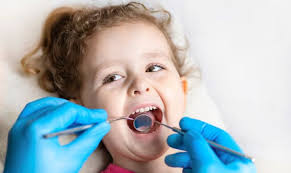
Gentle exam of teeth, gums, and jaw. Your child may sit on your lap. The dentist uses a small mirror and light.
Clear guidance for home care. You learn how to brush, how much toothpaste to use, and how often to return.
You can bring a favorite toy or blanket. You can use simple words such as “tooth doctor” and “tooth count” instead of “shot” or “drill.” You can plan the visit for a time of day when your child is rested and fed.
Take The First Step Today
You do not need to wait for the perfect moment. If your child has a first tooth, a first birthday, visible spots, or behavior changes, it is time. A Modesto kids dentist can give your child a gentle start and give you clear answers.
You protect your child each day with seat belts, hand washing, and safe food. Early dental care is the same kind of protection. One short visit can prevent long days of pain later. You and your child deserve that peace.