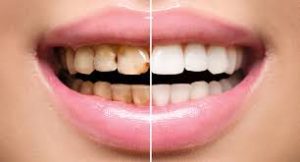
Your mouth affects how you eat, speak, and feel about yourself. When teeth break, wear down, or go missing, daily life can feel smaller and more painful. Restorative dentistry repairs this damage. It protects what you have and brings back what you lost. You may think of it as “fixing teeth,” yet it does much more. It helps you chew without fear, smile without hiding, and keep your gums and jaw strong. In Roanoke, that can mean crowns, fillings, implants, or dentures and partial dentures in Roanoke that fit your needs. Each step supports your whole mouth, not just one tooth. This blog explains how these treatments prevent infection, reduce pain, and stop small problems from becoming emergencies. You will see how restoring your teeth supports your body, your confidence, and your daily life.
When a tooth breaks or decays, the problem does not stay small. Bacteria move into cracks and soft spots. Then the infection can spread into the nerve of the tooth, the gums, and the bone. You may feel throbbing pain, or you may feel nothing while damage grows.
Restorative care stops this chain reaction. It seals weak spots, removes decay, and replaces missing teeth. This protects you in three key ways.
It cuts the risk of tooth loss and gum infection.
It lowers the chance that mouth bacteria reach the blood.
It keeps your jawbone from shrinking after tooth lo
ss.
The Centers for Disease Control and Prevention explains that untreated cavities and gum disease are common and can affect eating and speaking.
Common restorative treatments and what they do
You may hear many names for treatments. Each one has a clear purpose. You and your dentist choose based on the size of damage, cost, and how long the repair should last.
Treatment
What it fixes
How it supports oral wellness
Fillings
Small to medium cavities
Stop decay, protect the tooth, restore chewing
Onlays or inlays
Larger broken or decayed parts of a tooth
Keep more natural teeth while restoring strength
Crowns
Teeth that are cracked, worn, or have large fillings
Cover and protect the tooth structure from breaking
Root canal treatment
Infected tooth nerve
Remove infection, ease pain, save the tooth
Implants
Single or multiple missing teeth
Replace the root, support bone, allow strong chewing
Dentures and partial dentures
Many or all missing teeth
Restore chewing, speech, and facial support
Bridges
One or a few missing teeth in a row
Fill gaps, prevent teeth from shifting
The National Institute of Dental and Craniofacial Research offers plain language facts on many of these treatments.
How restoring teeth helps you eat and speak
Chewing is the first step in digestion. When you avoid one side of your mouth or certain foods, your body misses key nutrients. You may choose soft, starchy foods and skip fresh produce, nuts, and lean meats. That choice can affect blood sugar, weight, and energy.
Restorative care helps you return to a full plate.
Fillings and crowns let you bite without sharp pain.
Implants and bridges give you stable teeth for tough foods.
Dentures and partial dentures spread chewing pressure more evenly.
Missing or broken front teeth also affect speech. You may notice a lisp or slurred words. Repairing or replacing those teeth supports clear sounds and steady breathing through the mouth and nose.
Support for gums and jawbone
Teeth do more than chew. They keep the jawbone active. When a tooth is lost and not replaced, the bone under that spot no longer receives pressure from chewing. Then the bone can shrink. Over time, the face can look sunken, and dentures can loosen.
Restorative care helps limit this loss.
Implants act like roots and send chewing pressure into the bone.
Well-fitting dentures and partial dentures keep gums from sore spots.
Crowns and fillings protect teeth so they last longer and keep the bone engaged.
Healthy gums are just as important. Smooth, shaped fillings and crowns help you clean along the gumline. Then you remove more plaque with a toothbrush and floss. This lowers the chance of bleeding gums and tooth loss.
Emotional and social benefits for all ages
Oral problems often carry quiet shame. You may hide your smile in photos. You may avoid laughing or eating with others. Children and teens can face teasing. Older adults may fear that dentures will slip during a family meal.
Restorative dentistry supports your sense of self.
Repaired front teeth help you smile without covering your mouth.
Stable replacement teeth help you join meals without fear.
Reduced pain helps you sleep and focus during the day.
These gains affect school, work, and relationships. A steady, confident smile can change how others respond to you and how you see yourself.
Preventing bigger problems and emergencies
Small repairs now avoid larger, more painful treatment later. A simple filling today can prevent a root canal or extraction next year. A timely crown can stop a cracked tooth from breaking in half during a meal.
You support your future health when you
Fix new cavities before they reach the nerve.
Replace missing teeth before others shift and wear down.
Adjust dentures or partial dentures when they feel loose.
Emergency dental visits often follow months of silent damage. Regular restorative care breaks that pattern and give you more control.
How to talk with your dentist about next steps
You deserve clear choices and s
traight answers. At your next visit, bring questions in three simple groups.
Health. Ask what happens if you wait and what happens if you treat now.
Function. Ask how each option will affect chewing, speech, and cleaning.
Cost and time. Ask how many visits you need and what your plan covers.
Then share your goals. Tell your dentist which teeth bother you most, which foods you miss, and what worries you about treatment. That honest talk helps shape a plan that protects your whole mouth and fits your daily life.
When you repair and replace damaged teeth, you protect more than your smile. You protect your health, your comfort, and your sense of self. You do not need a perfect mouth. You only need steady steps that move you from pain and worry toward strength and calm.