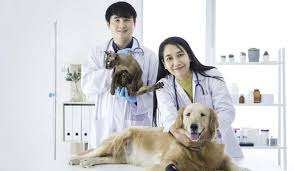
Spay and neuter surgeries protect pets and the people who love them. You may see these procedures listed on clinic signs and wonder why they almost always happen at animal hospitals. The answer is simple. Your pet needs safe pain control. Your pet needs clean tools. Your pet needs trained hands that can act fast if something goes wrong. An animal hospital provides all three. That setting gives your dog or cat a quiet space, close watching, and quick support if there is bleeding or trouble waking up. It also helps lower infection risk and keeps your pet’s stress as low as possible. When you choose a veterinarian in Burlington, ON for this surgery, you are not just checking off a box. You are choosing a controlled place where staff watch every breath and heartbeat, so your pet comes home safer and calmer.
Spay and neuter surgeries do more than prevent litters. They protect health. They also protect your home and community.
Here is what these surgeries can help with:
Lower risk of some cancers in both dogs and cats
Lower chance of infections in the uterus and testicles
Less roaming and fighting that can cause injuries
The Centers for Disease Control and Prevention explains that dog bites and scratches often link to roaming and unplanned breeding. Spaying and neutering surgeries lower those risks. That protects your family and your neighbors.
Why An Animal Hospital Is The Safest Place
Any surgery carries risk. Your pet needs a space that reduces those risks as much as possible. An animal hospital offers three safety pillars.
1. Safe Use Of Anesthesia
Your pet needs medicine so there is no pain during surgery. That medicine affects breathing and heart rate. At an animal hospital, trained staff check:
Heart rhythm
Breathing rate
Blood oxygen level
Body temperature
Staff can adjust medicine if numbers change. Staff can place a breathing tube if needed. That level of control is hard in any other setting.
2. Clean Surgical Environment
Germs enter the body through cuts. Surgery creates a cut. An animal hospital uses:
Sterile tools that staff clean in a special machine
Surgical gowns, masks, and gloves
Clean air and wipeable surfaces
The U.S. Food and Drug Administration stresses the need for clean tools and spaces during animal care. An animal hospital follows clear steps to meet that need.
3. Fast Response If Something Goes Wrong
Most healthy pets do well. Some do not. A hidden heart problem or breathing trouble can show up during surgery. In an animal hospital, staff have:
Oxygen ready
Fluids ready
Emergency drugs ready
Support from more than one staff member
Quick action can save a life. A full hospital team gives your pet that chance.
What Happens Before, During, And After Surgery
Knowing the steps can calm your fear and help you plan.
Before Surgery
Staff take a health history and listen to the heart and lungs
Sometimes staff run blood tests to check organs
You get feeding and water rules for the night before
This check lets staff spot warning signs such as heart murmurs or fever. Staff can delay or change care if needed.
During Surgery
Staff place an IV line for fluids
Your pet receives anesthesia and pain control
Staff shave and clean the skin
The surgeon works while another staff member watches the monitors
The surgery itself often takes less than an hour. The careful setup and wake-up process takes more time. That time protects your pet.
After Surgery
Your pet wakes up in a warm, quiet space
Staff keep watch for bleeding or trouble breathing
You receive written home care steps and pain medicine
This close watch period is one main reason these surgeries happen at animal hospitals. The first hours after surgery can shape healing.
Comparison Of Hospital Surgery And Non-Hospital Settings
Feature
Animal Hospital
Non Hospital Setting
Anesthesia monitoring
Continuous with machines and trained staff
Often limited or by sight only
Emergency support
Oxygen, fluids, and drugs on site
May need transfer to hospital
Clean tools
Full sterilization system
May rely on basic cleaning methods
Infection control
Routine steps and clean surgery room
More variation in space and cleaning
Pain control
Before, during, and after surgery
May focus on before and after only
Staff support
Team approach with clear roles
Often fewer staff during surgery
How These Surgeries Help Your Community
Spaying and neutering surgeries protect more than your own pet. They also help your city.
Fewer litters mean fewer pets in shelters
Fewer roaming animals mean fewer bites and car crashes
Lower disease spread between stray and owned pets
Animal hospitals often work with shelters and rescue groups. That teamwork keeps more animals in stable homes.
How To Prepare Your Family
Children often fear surgery for a pet. You can help by keeping things simple.
Explain that the doctor will help your pet sleep and fix the part that makes babies
Let children help set up a quiet bed at home
Remind them the pet needs rest and gentle hands
This shared care can teach respect, duty, and kindness.
Making A Calm, Informed Choice
Spay and neuter surgeries are routine. They still deserve respect and care. An animal hospital gives your pet the safest place for this life shaping procedure. You protect your pet. You also protect your family and community.