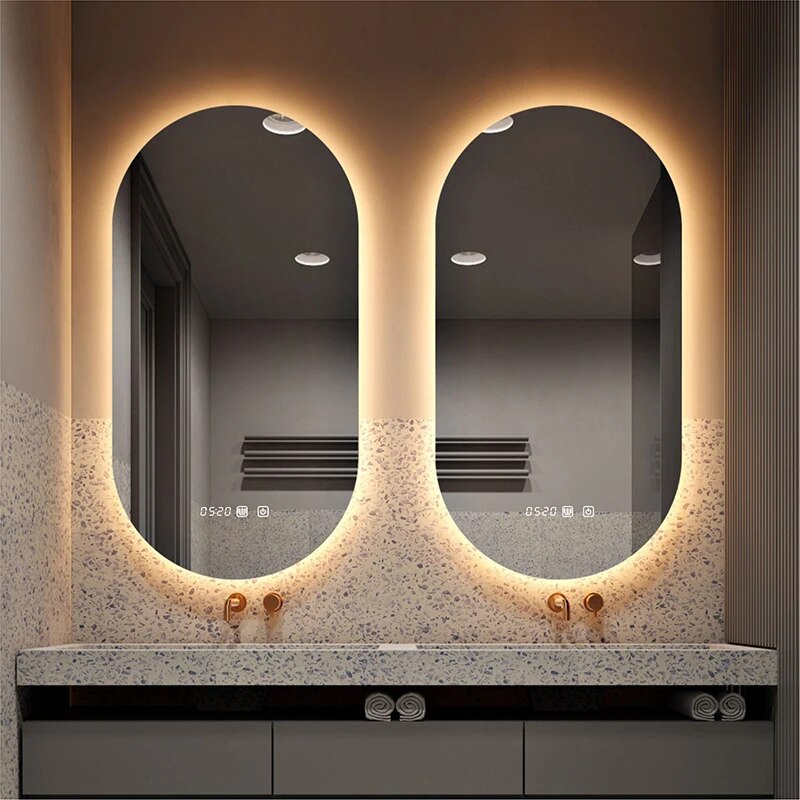
The technological landscape is constantly evolving, and at the forefront of this change lies the concept of mirror worlds. These digital twins of our physical reality hold immense potential to revolutionize the way we interact with the world around us. But for this potential to be fully realized, thoughtful and user-centered design will be paramount. This article explores the exciting intersection of UX (User Experience) design and LED Mirror World, delving into the possibilities they present and the design considerations that will shape their success.
Demystifying Mirror Worlds
Imagine a world where every physical object, location, and even person has a digital counterpart existing in perfect synchronization. This is the essence of mirror worlds. These digital twins are not mere simulations; they are dynamic, interactive spaces that mirror and augment the physical world in real time.
Here’s a glimpse into what mirror worlds could entail:
- Smart Cities: Imagine a city where traffic lights adjust based on real-time traffic flow in the mirror world, or where virtual tours allow remote exploration of historical landmarks.
- Enhanced Shopping: Picture trying on clothes virtually in a mirror-world repl ica of a store, or receiving personalized product recommendations based on your digital avatar’s preferences.
- Remote Collaboration: Imagine architects and engineers working together on a building design, with one team in the physical world and the other manipulating its digital twin in the mirror world.
The possibilities are truly endless, and the implications for various industries are vast. But for users to truly embrace these new realities, a focus on exceptional UX design will be crucial.
The UX Imperative in Mirror Worlds
As with any emerging technology, user adoption hinges on how intuitive and user-friendly the experience is. Here’s how UX design principles will play a vital role in shaping mirror worlds:
- Usability: Mirror worlds should be accessible and easy to navigate for users of all technical backgrounds. Intuitive interfaces a nd clear instructions will be essential to ensure a smooth user experience.
- Accessibility: Just like physical spaces, mirror worlds should be designed with inclusivity in mind. Catering to users with disabilities through features like voice commands and haptic feedback will ensure everyone can participate.
- Information Architecture: The vast amount of data within mirror worlds necessitates a well-organized information architecture. Data visualization and intuitive search functions will help users find the information they need quickly and efficiently.
- Interactivity: Mirror worlds thrive on user interaction. Designing interactive and responsive elements and providing clear feedback will keep users engaged and immersed in the experience.
- Safety and Security: As our physical and digital worlds become increasingly intertwined, security concerns will be paramount. Robust security measures will be essential to protect user privacy and prevent misuse of data within mirror worlds.
- Sensory Design: Mirror worlds hold the potential to engage multiple senses. Exploring haptic feedback, spatial audio, and even taste simulations could create truly immersive experiences. However, it’s crucial to design these elements thoughtfully to avoid overwhelming users.
Designing for a Blended Reality
One of the key challenges in UX design for mirror worlds will be the need to bridge the gap between the physical and digital realms. Here are some considerations for creating a seamless user experience:
- Interoperability: Users should be able to seamlessly transition between the physical world and its mirror counterpart. This might involve using AR/VR devices or leveraging existing smartphone technology.
- Data Consistency: Data across the physical and digital worlds needs to be consistent and synchronized in real time. This will ensure users have a unified experience regardless of where they interact.
- Privacy and Control: Users should have complete control over their data within mirror world s. Clear and transparent privacy policies, along with user-friendly controls, will be essential to building trust.
The Ethical Considerations
The potential of mirror worlds is undeniable, but it’s important to acknowledge the ethical considerations that come with such a powerful technology. Here are some key areas that UX designers will need to address:
- Digital Divide: Not everyone has equal access to technology. UX designers need to ensure that mirror worlds don’t exacerbate the digital divide and instead promote inclusivity.
- Data Ownership: Who owns the data generated within mirror worlds? Clear ownership structures and regulations will be essential to protect user privacy and prevent misuse.
- Algorithmic Bias: Mirror worlds will likely rely on algorithms to personalize user experiences. It’s crucial to ensure these algorithms are unbiased and don’t perpetuate discrimination.
Conclusion:
Mirror worlds hold immense potential to reshape our interaction with the LED Mirror World around us. But to unlock this potential, user experience (UX) design will be the key. By prioritizing usability, accessibility, and user control, UX professionals can ensure mirror worlds are not just technologically impressive, but truly user-centric.
The road ahead necessitates collaboration between designers, developers, and policymakers. We must address ethical concerns around data privacy, algorithmic bias, and the digital divide. By working together, we can usher in a future where mirror worlds become valuable tools for enhancing our lives, fostering inclusivity, and shaping a brighter tomorrow. The future is not set in stone – it’s being designed as we speak. Let’s ensure UX design is at the forefront, guiding us toward a future that is not only technologically advanced but also human-centered and beneficial for all.