You want your smile to look good. You also need it to stay strong under the surface. Cosmetic work like crowns, veneers, and dental implants in Omaha, NE can hide deeper problems if you skip routine care. Decay, infection, and gum disease can grow under beautiful teeth and stay unseen until they hurt. General dentistry stops that quiet damage. Regular exams, cleanings, and X‑rays show what your mirror cannot. Your dentist checks the fit of your crowns, the health of the gums around your implants, and the strength of the teeth under your veneers. Small issues stay small. Pain, broken work, and sudden costs become less likely. This blog explains how general dentistry protects the teeth, bone, and gums that support every cosmetic restoration you have. You learn what to expect at visits and how to keep your restored smile stable for many years.
Why good looks are not enough
A crown or veneer can look perfect. Yet the tooth under it can still decay. A bright smile can hide gum disease that slowly weakens bone. You feel fine until one day you bite down and something cracks.
General dentistry keeps you from reaching that breaking point. You use it to:
- Catch decay under and around crowns
- Watch bone levels around implants
- Find gum infection that hides between teeth
The Centers for Disease Control and Prevention explains that untreated cavities and gum disease are common in adults and can lead to tooth loss if you wait too long.
How general dentistry protects each type of cosmetic work
Each kind of cosmetic restoration has weak points. General dentistry targets those weak points, so your work lasts longer and hurts less.
Common cosmetic restorations and hidden risks
| Restoration | Hidden risk under the surface | How general dentistry helps |
|---|---|---|
| Crowns | Decay at the edge where crown meets tooth | Checks margins, uses X‑rays, smooths rough edges |
| Veneers | Decay on the back of the tooth and along the gumline | Cleans behind veneers, measures gums, teaches brushing |
| Implants | Bone loss and gum infection around the implant post | Measures bone on X‑rays, checks gum pockets, cleans plaque |
| Tooth‑colored fillings | Leakage at edges and new decay under the filling | Tests bite, checks for gaps, replaces worn fillings |
| Whitened teeth | Sensitivity and unnoticed small cracks | Checks for damage before and after whitening, treats weak spots |
What your dentist looks for at routine visits
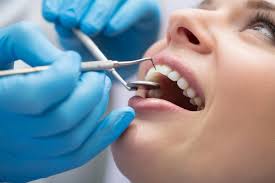
You see a cleaning. Your dentist sees a full safety check. A routine visit usually includes three key s teps.
1. Gum and bone check
- Measures the space between your teeth and gums
- Looks for redness, bleeding, or swelling near crowns and implants
- Checks if your gums recede and expose the edges of work
The National Institute of Dental and Craniofacial Research explains that gum disease can be silent and can damage bone before you feel pain.
2. Tooth and restoration check
- Tests how your teeth bite together on crowns, veneers, and fillings
- Looks for tiny cracks around the edges of restorations
- Checks color changes that can signal decay under a crown or filling
Small bite problems can put extra pressure on one crown or veneer. That pressure can crack porcelain or loosen cement. A quick adjustment can remove that strain and protect the tooth under the work.
3. X‑rays and photos
- Show decay under crowns and between teeth
- Reveal bone loss around implants and natural teeth
- Track changes over time so your dentist can compare visits
An X‑ray can show a dark shadow under a crown long before you feel pain. If your dentist sees that early, you can repair the tooth and save the crown.
Daily care that protects work you already paid for
Cosmetic dentistry costs money and time. You guard that investment by caring for the teeth and gums that hold it.
Use three simple daily steps.
- Brush two times each day with a soft brush and fluoride toothpaste
- Clean between teeth once each day with floss or small brushes
- Use a non alcohol rinse if your dentist suggests it
Pay extra attention to the edges of crowns and veneers and the gumline around implants. That line is where plaque hides and where decay and infection start.
Habits that shorten the life of cosmetic work
Some daily choices quietly attack your restorations and the teeth under them. You can change those choices and protect your mouth.
- Grinding or clenching your teeth at night
- Chewing ice or hard candy
- Using your teeth to open packages
- Smoking or vaping
- Drinking sugary drinks through the day
Grinding can crack porcelain and stress implants. A custom night guard from your general dentist can spread that force and protect both natural teeth and restorations.
Smoking dries your mouth and weakens your immune response. That raises your risk of gum infection around implants and natural teeth. Even one change, such as cutting back on smoking or sugary drinks, can improve your health under your cosmetic work.
How often to see your general dentist
Most people need a visit every six months. Some need closer care. Your schedule may change if you have:
- Many crowns, veneers, or implants
- History of gum disease
- Diabetes or dry mouth
- Smoking or heavy grinding
Your dentist uses your medical history, X‑rays, and exam results to set a plan. The goal is simple. Catch problems when they are cheap and easy to fix. Avoid emergencies that steal sleep and money.
When you should call sooner
Do not wait for your next routine visit if you notice any of these signs around cosmetic work.
- New bad taste or odor around a crown or implant
- Red, tender, or bleeding gums that do not improve in a few days
- Looseness or movement in a crown, veneer, or implant crown
- New sensitivity to hot, cold, or pressure
- A chip or crack in porcelain or filling material
Early care can often save the tooth and the restoration. Waiting can lead to root canals, extractions, or failed implants.
Use general dentistry to keep your cosmetic work safe
Cosmetic dentistry gives you a smile you want to show. General dentistry keeps that smile from breaking underneath. You use both to protect your teeth, gums, and bone for the long term.
Stay on a regular visit schedule. Follow simple daily care. Change the habits that chip and strain your teeth. You then give every crown, veneer, filling, and implant the strongest base possible.