Dental implants can fail if you ignore your gums. Healthy gums do more than hold your teeth. They protect your jawbone, your implants, and your smile from slow damage that you might not feel until it is severe. This is true for single implants, full mouth restorations, and implant supported dentures in Woodbridge VA. Periodontal care means you watch for early signs of infection. You remove plaque that hides under the gums. You treat small problems before they reach the bone that supports your implants. Without this care, bacteria grow, bone melts away, and implants loosen. That can lead to pain, bad breath, and more surge ry. With steady gum care, you lower your risk of peri implant disease. You keep your bite strong. You also protect the time, money, and emotion you invested in your implants.
How Gum Health Affects Implants
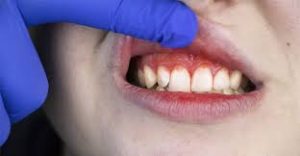
Your gums act like a seal around each implant. This seal keeps bacteria from reaching the bone. When gums swell or pull away, that seal breaks. Then germs move down the implant surface and start to eat the bone.
The National Institute of Dental and Craniofacial Research explains that gum disease starts with plaque that sits at the gumline and triggers swelling and bleeding. The same process that harms natural teeth can also harm implants.
Without firm, clean gums you face three linked problems.
- More bacteria around the implant
- Ongoing swelling and bleeding
- Slow loss of the bone that holds the implant
Each step makes the next one worse. Early care breaks this chain.
Common Implant Complications You Can Prevent
Most implant problems start small. You often can stop them if you act early.
| Problem | Early Signs | What Happens If Ignored | Role of Periodontal Care |
|---|---|---|---|
| Gingivitis around implant | Red gums. Bleeding when you brush. | Spreads to deeper tissues. | Removes plaque. Calms swelling. |
| Peri implant mucositis | Tender gum. Mild soreness. | Can progress to bone loss. | Professional cleanings and home care. |
| Peri implantitis | Deep pockets. Pus. Loose feeling. | Bone loss and implant failure. | Deep cleaning and focused treatment. |
| Recession around implant | Metal edge may show. Longer teeth. | Higher risk of infection and pain. | Controls plaque and protects tissue. |
Routine gum checks often catch problems at the gingivitis or mucositis stage. At those stages, the bone is usually still safe. With quick care, you can stop or reverse the damage.
Daily Home Care That Protects Your Implants
You control much of your implant success in your bathroom sink. Your routine does not need to be complex. It does need to be steady.
Use this simple plan.
- Brush twice each day for two minutes with a soft brush
- Clean between teeth and under bridges once each day
- Use tools made for implants when your dentist suggests them
The American Dental Association gives clear brushing and flossing steps at ADA brushing guidance. You can follow the same core steps around implants. You only need to stay gentle at the gumline.
Watch for three warning signs.
- Bleeding when you brush or clean between teeth
- New bad taste or smell from one spot
- New space or gap near an implant crown
If you see any of these signs for more than a few days, contact your dentist or periodontist. Do not wait for pain. Pain often shows up late.
Professional Periodontal Care Before Implant Placement
Strong implants start with stable gums and bone. Before you receive implants, periodontal care can prepare your mouth.
Your care team may.
- Measure gum pockets around each tooth
- Take images to check bone levels
- Treat existing gum disease with deep cleaning
Sometimes you may need gum or bone treatment before implant surgery. That delay can feel hard. Yet it raises the chance that your implants will last.
Ongoing Care After Implant Placement
Once the implant heals and the crown or denture is in place, your job changes. You move from healing to guarding what you built.
Your provider will set a recall schedule based on your risk. Many people do well with cleanings every three to six months. Some need shorter gaps because of diabetes, smoking, or past gum disease.
At each visit, your team should.
- Check your gums for swelling and bleeding
- Measure pocket depths around each implant
- Take images when needed to track bone levels
- Clean hard deposits from implant and tooth surfaces
These steps may feel routine. They also act as your early warning system.
Implants vs Natural Teeth: Why Gums React Differently
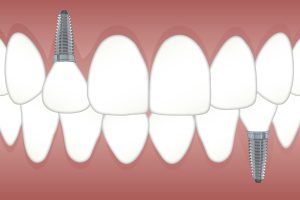
Implants look like teeth. They do not attach to your body in the same way. Natural teeth connect to bone through tiny fibers that act like shock absorbers. Implants connect directly to bone.
Because of this, swelling around implants can spread faster into deeper tissues. There is less natural defense. This is one reason gum checks are so important for anyone with implants.
| Feature | Natural Tooth | Dental Implant |
|---|---|---|
| Connection to bone | Fibers and ligament | Direct contact with bone |
| Response to plaque | Gum disease and bone loss | Peri implant disease and bone loss |
| Early warning signs | Bleeding and loose teeth | Bleeding and sore or loose implants |
| Protection needs | Daily care and checkups | Daily care and focused gum checks |
Special Concerns With Full Mouth Implants and Dentures
If you have full arch implants or implant supported dentures, gum care becomes even more urgent. Many surfaces are hidden. Food and plaque can collect under the denture or bridge where you cannot see them.
You may need.
- Special brushes to reach under the denture
- Floss threaders or water cleaners for tight spots
- More frequent cleanings to reach places you miss at home
Ask your periodontist to show you how to clean each part of your bridge or denture. A short lesson can save you from years of trouble.
When To Seek Help Right Away
Contact your dental team as soon as you notice.
- Continuous bleeding around an implant
- Swelling that lasts more than a few days
- Pus, bad taste, or sudden odor from one sp ot
- A change in how your teeth or denture fit together
- Movement in an implant crown, bridge, or denture
Quick action can often save the implant and reduce the need for surgery.
Protecting Your Long Term Investment
Implants often bring back chewing, speech, and comfort that you may have lost for years. Periodontal care protects that change. You invest a few minutes each day at home. You add regular visits for cleaning and checks. In return, you lower the risk of bone loss, infection, and implant failure.
You deserve implants that work for as long as possible. Strong gum care gives you the best chance to keep them stable, clean, and comfortable.
Visit our website for more posts.