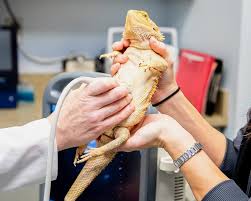
Exotic and small pets need different care than dogs and cats. Your ferret, parrot, rabbit, or bearded dragon hides pain. You often see problems only when they grow urgent. That truth can feel heavy. It does not need to end in crisis. Modern veterinary teams know how to protect these fragile lives. They use quiet handling, special tools, and focused training. They also listen to you. Your daily observations guide every choice. This blog explains how clinics support unusual pets, what you should expect at each visit, and when to seek urgent help. It also shares how an animal hospital in Houston, TX approaches exams, nutrition, housing, and behavior for these pets. By the end, you will know what good care looks like, what questions to ask, and how to stand up for your pet when something feels wrong.
Exotic and small pets have fast bodies. They lose heat, water, and blood quickly. A small change in food or home can cause sudden collapse. Many prey species hide pain to stay safe. That means you see sickness late.
Clinics that care for these pets respect three facts.
Small bodies need tiny and exact drug doses.
Stress alone can cause serious harm.
Most problems begin at home with food and housing.
The best clinics build care around these truths. They keep visits calm. They adjust tools and drugs for each species. They teach you how to set up a safe home. The American Veterinary Medical Association urges regular exams for exotic pets for these reasons.
What To Expect At An Exotic Pet Exam
Your first visit often takes longer than a dog or cat visit. The team needs time to learn about your pet and your home routine.
Most exams follow three steps.
History. You share food, cage, light, bedding, and behavior.
Hands on exam. The vet checks eyes, mouth, skin, belly, heart, and lungs.
Tests. The team may run blood work, fecal tests, or imaging.
Handling stays slow and quiet. Staff may dim lights for birds and reptiles. They may use a towel for rabbits and small rodents. They may place your pet on a warm pad. These steps lower fear and protect the heart.
Common Exotic And Small Pets Seen In Clinics
Each species needs unique care. You do not need to know every detail. You only need to know how different they are from dogs and cats.
Pet Type
Main Health Risks
Key Home Needs
Typical Visit Frequency
Rabbits
Dental overgrowth, gut slowdown, heat stress
High fiber hay, safe chew items, cool room, gentle handling
Checkup every 6 to 12 months
Ferrets
Hormone disease, insulin issues, flu from humans
Ferret specific diet, secure housing, vaccines where advised
Yearly exams, more often for seniors
Parrots
Malnutrition, feather picking, breathing disease
Pelleted diet, fresh produce, mental enrichment, clean air
Yearly exams and nail or beak trims as needed
Small rodents
Tumors, dental problems, wet tail, injuries from falls
Yearly wellness exams and checks after setup changes
The table shows one clear pattern. Food, light, and housing control health. A clinic cannot fix harm if your pet goes back to a harmful setup. Your vet will focus on these basics at every visit.
How Clinics Reduce Stress For Exotic And Small Pets
Stress can stop a rabbit’s gut. It can trigger a bird’s heart problem. It can shut down a reptile immune system. Clinics that see these pets build stress control into every step.
They often use three simple habits.
Quiet spaces. Many clinics keep a separate room for prey species.
Covered carriers. Staff may place a towel over your carrier.
You can help. You can bring your pet in its home cage when safe. You can bring familiar bedding or a perch. You can keep visits short by filling out forms at home.
Medical Tools And Treatments For Exotic Pets
Exotic care uses many of the same tools as other pet care. Vets still use stethoscopes, blood tests, and imaging. Yet they adjust how they use them for tiny bodies.
Common steps include three core methods.
Scaled drug doses measured to the gram.
Small needles and catheters for safe blood draws and fluids.
Warmers and oxygen for weak pets during and after treatment.
Many clinics follow guidance from teaching hospitals at universities. For example, University of Illinois Veterinary Medicine shares clear care tips for birds, reptiles, and small mammals. These resources help teams stay current and safe.
Nutrition, Housing, And Behavior Counseling
Most exotic pet illness starts with the wrong food or the wrong home setup. Vets know that a short talk about diet and housing can save a life. You should expect questions at every visit.
They often ask three things.
What brand and type of food does your pet eat each day?
What the cage or tank looks like, including floor, light, and heat.
How your pet acts when calm and when scared.
Your answers guide simple changes. A rabbit may need more hay and fewer pellets. A bearded dragon may need stronger UVB light. A parrot may need foraging toys to stop feather picking. These changes often cost less than repeated emergency care.
Emergency Signs In Exotic And Small Pets
You rarely get a clear warning. You must act fast when you see certain changes. Bring your pet to a clinic at once if you notice any of these signs.
Sudden stop in eating or drinking for more than half a day.
Strained or no droppings.
Open mouth breathing, tail bobbing, or loud clicks when breathing.
Seizures, collapse, or trouble standing.
Bleeding that does not stop.
Swollen eyes, sudden swelling, or bad smell from the mouth or vent.
For rabbits and rodents, a half day without food can be life-threatening. For birds, any breathing change is urgent. For reptiles, extreme lethargy or swollen limbs need quick care.
How You Can Support Clinic Care At Home
Your choices at home strengthen what the clinic does. You are the first and last line of defense.
Use three habits.
Weigh your pet at least once a week.
Watch for small changes in behavior, posture, and droppings.
Keep a simple log of food, light, and any new items.
Bring this information to each visit. It gives your vet a sharp picture of slow changes that you may not notice from day to day.
Standing Up For Your Exotic Or Small Pet
You know your pet best. If something feels wrong, say so. Ask for clear explanations. Ask how many similar pets the clinic sees. Ask what steps you can take at home today.
Good clinics respect these questions. They welcome your notes and photos. They adjust plans based on your insight. With steady partnership, your exotic or small pet can live a longer and more stable life.