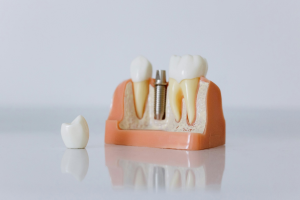
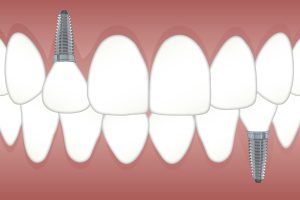
Dental implants depend on strong bone. You cannot ignore that link. Healthy bone holds the implant steady, supports your bite, and protects nearby teeth and gums. Weak or thin bone can lead to loose implants, pain, and more procedures. Many people think dental implants are only about the crown or the way the tooth looks. In reality, your jawbone does most of the work. This blog explains how bone strength, density, and healing affect your long term implant results. It also shows what your dentist can do if your bone is not ready yet. If you visit a denture clinic in Vanier, Ottawa or any other clinic, you deserve clear answers about your bone health before you start. You will learn what tests you may need, what treatment steps protect your jaw, and how to keep your implants stable for years.
Your jawbone acts like the soil under a fence post. If the soil is deep and firm, the post stands straight. If the soil is thin or washed out, the post leans or falls. Your implant works the same way. The metal post needs solid bone around it so you can chew, speak, and smile without fear.
When a natural tooth is lost, the jawbone in that spot starts to shrink. The bone no longer gets pressure from chewing. Over time, this bone loss can change your face shape and limit your choices for treatment. According to the National Institute of Dental and Craniofacial Research, tooth loss and bone loss often go together, especially as people age.
Key Parts Of Bone Health For Implants
For implant success, three parts of bone health matter most.
Bone height and width around the missing tooth
Bone density
Bone healing ability
Enough height and width are needed so the implant can fit with space around it. Good density means the bone is firm enough to grip the implant. Strong healing lets your bone grow onto the implant surface. This process is called fusion of bone to the implant. It turns the implant into a stable part of your bite.
Comparing Healthy And Weak Bone For Implants
Bone condition
Common findings
Impact on implant
Possible extra steps
Healthy bone
Good height and width. Firm texture on X ray.
High chance of strong, long lasting implant.
Standard implant. Normal healing time.
Thin bone
Not enough width around the missing tooth.
Risk of poor support and gum recession.
Bone graft or narrow implant. Longer plan.
Low density bone
Softer bone on X ray. Often in upper jaw.
Higher risk of early loosening.
Bone graft, different implant shape, or more healing time.
Severe bone loss
Major height loss. Sinus or nerve close by.
Implant may not be safe without rebuilding.
Sinus lift, larger grafts, or other tooth options.
How Your Dentist Checks Your Bone
Your dentist does not guess about your bone. You should expect clear tests and images before any implant plan. Common steps include:
Medical and dental history, including medicines and past fractures
Simple exam of your gums, bite, and missing tooth spaces
X rays to measure height and spot hidden problems
3D scan, often called CBCT, to map bone width and nearby nerves or sinuses
These tests help your dentist explain your options in simple terms. You should see where the implant might go and what your bone looks like. The Centers for Disease Control and Prevention stress that clear oral health checks help prevent later problems.
Common Bone Building Treatments
If your bone is not ready, you still have choices. Your dentist may suggest:
Bone grafting. Adding natural or man made bone material to fill thin or low spots.
Sinus lift. Raising the sinus floor in the upper back jaw to create room for bone and an implant.
Guided bone healing. Using special membranes to protect new bone as it grows.
Short or narrow implants. Using different implant shapes that fit limited bone.
These steps take time. You may wait months before the final crown. Yet this time protects you from failure and repeat surgery later.
Health Conditions That Affect Bone
Certain conditions can weaken bone or slow healing. You should share these with your dentist:
Osteoporosis or past fractures
Diabetes
Smoking or vaping
Long term steroid use
Past head and neck radiation
Drugs for cancer or severe bone loss
These do not always rule out implants. They do change the plan. Your dentist may work with your doctor, adjust medicine timing, or suggest extra healing time.
How You Can Protect Your Bone Before And After Implants
You have a strong role in keeping your jawbone ready and healthy. Simple daily habits help:
Brush twice a day with fluoride toothpaste
Clean between teeth and around implants with floss or small brushes
Keep regular checkups and cleanings
Limit sugary drinks and snacks
Stay smoke free
Stay active and eat enough protein, calcium, and vitamin D
You can ask your doctor if a bone density scan is right for you, especially if you are older or at risk for osteoporosis. Strong body bones support strong jawbones.
Questions To Ask Before You Agree To Implants
Clear questions lead to better choices. Before you say yes to treatment, you can ask:
Do I have enough bone for this implant
Can you show me my X rays or 3D scan and explain them
Will I need a bone graft or sinus lift
How long will healing take at each step
What are my risks based on my health and medicines
What signs of trouble should I watch for after surgery
You deserve calm, direct answers. You also deserve time to think and to seek a second opinion if needed.
Putting It All Together
Dental implants can restore your bite, protect nearby teeth, and support your face shape. Yet success is never only about the crown you see. It starts deep in your jawbone. When you understand how bone strength, density, and healing shape your choices, you can plan treatment that fits your body and your life.
You do not need perfect health to receive an implant. You do need honest testing, clear planning, and steady follow up care. With those in place, your bone can support a confident smile for many years.