You love your pet. You watch what they eat. You notice every odd sound or new limp. Still, some problems hide. Routine care at home will not catch them. That is where a yearly exam matters. During an annual visit, your Bloomingdale veterinarian is not just giving a quick once-over. Instead, they are searching for early signs of disease, pain, and stress. Early care can mean a shorter recovery, less suffering, and lower cost. It can also protect your family from illnesses that pass from pets to people. These exams build a record of your pet’s body, mood, and behavior. Over time, small changes stand out. That history guides every choice about vaccines, diet, and treatment. You are not just checking a box on a form. You are giving your pet a longer, steadier life.
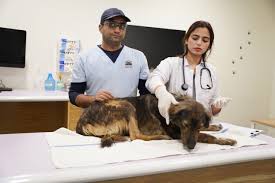
A yearly exam is a head-to-tail review. It is quiet, steady work. Each part of the visit answers one simple question. Is your pet changing in a way that hints at disease?
During a routine exam, the veterinarian will usually:
Review your pet’s daily habits, diet, and behavior
Check weight and body condition
Listen to the heart and lungs
Look at eyes, ears, nose, and mouth
Check skin and coat for lumps, rashes, or parasites
Feel the belly for pain or swelling
Test joints and muscles for stiffness or weakness
Often, the team will also run simple tests. These might include stool tests for parasites, blood tests, or screening for heartworm. Each piece on its own may look small. Together, they create a clear picture of your pet’s health today.
Why Early Detection Protects Your Pet
Many serious diseases start quietly. There is no limp or bark. There is only a small shift in weight, thirst, or mood. A trained eye will see patterns that you cannot.
Yearly exams can help catch:
Heart disease before it causes trouble breathing
Kidney and liver disease before organ damage grows
Diabetes before weight loss and weakness begin
Dental disease before teeth loosen and fall out
Cancer, while a lump is still small and easier to treat
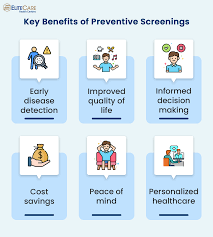
Early care often means simpler treatment and lower cost. It can also mean less pain. You give your pet a chance to recover while they are still strong.
How Often Should Your Pet See the Vet
The general rule is once a year. Some pets need more. Very young pets and older pets face a higher risk. So do pets with ongoing disease.
Suggested Exam Frequency by Life Stage
Life Stage
Typical Age
Suggested Exam Schedule
Puppy or Kitten
Birth to 12 months
Visits every 3 to 4 weeks until vaccine series is complete. Then at least once a year.
Adult
1 to 7 years for most pets
At least once a year. More often, if the veterinarian finds a problem.
Senior
7 years and older. Large dogs may be considered senior at 5 to 6 years.
Every 6 months. Often with routine blood and urine tests.
You can read more about wellness exams from the American Veterinary Medical Association. This source explains why regular visits matter for pets of all ages.
Protecting Your Family As Well As Your Pet
Some diseases pass from pets to people. These include certain parasites, bacteria, and viruses. Children, older adults, and people with weak immune systems face a higher risk.
During an annual exam, the veterinarian checks for:
Intestinal worms through stool tests
Fleas and ticks that can carry disease
Skin infections that might spread
Rabies and other vaccine preventable infections
Routine tests and vaccines reduce these threats. They protect your home as well as your pet. The Centers for Disease Control and Prevention explains more about diseases shared between people and pets on its page about healthy pets and people.
Why Dental Checks Matter
Mouth health is more than clean teeth. Gum disease can send bacteria into the blood. That strain can reach the heart, liver, and kidneys.
During each exam, the veterinarian will:
Check gums for redness or bleeding
Look for tartar and loose teeth
Notice bad breath that might hint at infection
The veterinarian may suggest a dental cleaning. That is not cosmetic. It helps control pain and infection. It lets your pet eat in comfort again.
Building a Health History Over Time
One visit gives a snapshot. Year after year, those snapshots turn into a clear story. That story helps the veterinarian see patterns in:
Weight gain or loss
Behavior changes such as fear, restlessness, or confusion
Shifts in appetite, thirst, or bathroom habits
Slow changes in heart or lung sounds
With this record, small changes stand out. The veterinarian can act sooner. That record also guides safe choices about medicine and surgery if your pet ever needs them.
How To Prepare For Your Pet’s Annual Exam
You can help make each visit stronger. Before the appointment, write down:
Any changes you noticed in eating, drinking, or weight
New behaviors such as hiding, clinginess, or aggression
Any vomiting, diarrhea, coughing, or sneezing
All medicines, supplements, or treats your pet receives
Also, bring a fresh stool sample if your veterinarian asks. That simple step can save time and stress for your pet.
Turning Exams Into Routine Care, Not Emergencies
Many emergency visits start as small, quiet problems. A tiny limp. A slight drop in appetite. A little weight loss. Regular exams create chances to catch these signs early.
Think of yearly exams as steady protection. You are not waiting for a crisis. You are choosing calm, planned care. You give your pet comfort. You give yourself fewer sudden shocks.
Your pet depends on you to speak for them. You know their habits and quirks. Your veterinarian knows disease patterns and treatment. Together, you form a strong team. Annual exams keep that team ready.