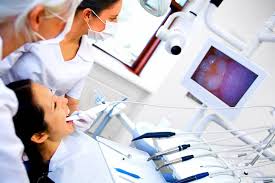
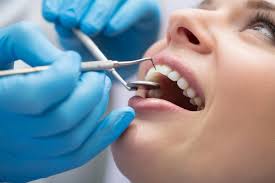
Sensitive teeth can turn simple moments into sharp shocks. A sip of cold water. A breath of winter air. Even a smile can sting. You do not have to live like that. Preventive dentistry gives you a clear plan to calm that pain before it controls your day. It helps you find triggers early, protect worn spots, and stop small problems from becoming emergencies. An Orange Lake dentist can use regular checkups, careful cleanings, and custom home care to shield your teeth and ease that sting. You gain fewer surprises, more control, and a steady path toward comfort. This blog will show three specific ways preventive care supports your sensitive teeth. You will see what to ask during visits, what to watch for at home, and how small steps can change how your teeth feel. You deserve relief that lasts.
1. Early checks find the real cause of your tooth pain
Sensitive teeth are a warning sign. They often mean the hard outer layer of your tooth is thinner than it should be. That thin layer lets heat, cold, and sweet drinks reach the nerve inside. Regular preventive visits help you find the cause before it grows into a crack, deep decay, or an infected nerve.
During a checkup, your dentist can:
Look for worn enamel from grinding, hard brushing, or acid reflux
Check for exposed roots from gum recession
Find tiny cavities between teeth that you cannot see
Test one tooth at a time to locate the exact source of pain
The National Institute of Dental and Craniofacial Research explains that worn enamel, tooth decay, and exposed roots are common causes of sensitivity.
Without these checks, you might guess. You might buy random toothpaste, avoid cold foods, or chew on the other side of your mouth. That guesswork can hide a deeper problem.
With early checks you get three clear gains.
You know the exact tooth or teeth that need help
You know if the cause is wear, decay, or gum loss
You know which treatment can protect that tooth right now
This knowledge gives you control. It also keeps a sensitive tooth from turning into an emergency visit.
2. Gentle cleanings protect enamel and calm inflamed gums
Preventive cleanings are not just for looks. They protect the surfaces that keep your teeth from hurting. Soft plaque and hard tartar can sit on your teeth and along the gums. That buildup holds bacteria that release acids. Those acids can wear enamel and inflame your gums.
During a preventive cleaning, your dentist or hygienist will:
Remove plaque and tartar from the tooth and along the gumline
Use tools that avoid scratching or thinning your enamel
Polish your teeth to slow new buildup
Check for bleeding or swelling that points to gum disease
The Centers for Disease Control and Prevention states that nearly half of adults over 30 show signs of gum disease.
Gum disease can expose tooth roots. Those roots have no enamel. They are very sensitive. By keeping gums clean and healthy, you lower the chance that roots will show and sting when you drink or breathe in cool air.
Here is a simple comparison of teeth with and without regular preventive cleanings.
Habit pattern
Gum health
Enamel wear
Chance of sensitivity
Cleanings every 6 months
Less bleeding and swelling
Slower enamel loss
Lower
Cleanings every few years
More buildup and gum loss
Faster wear from acids
Higher
No routine cleanings
High risk of gum disease
Unnoticed decay and cracks
Very high
You may feel nervous about cleanings when your teeth already hurt. You might fear each touch will cause a shock. You can talk with your dentist before the visit. You can ask for numbing gel on the gums. You can ask to start in one small part of your mouth. You can ask to stop if you feel pain. A good dental team will adjust each step so you feel safe.
3. Custom home care builds daily protection
What you do at home between visits has a strong effect on sensitivity. Many people brush too hard. Some use toothpaste that is rough on enamel. Others sip sports drinks or soda across the day. Each of these habits can wear teeth and keep nerves exposed.
Preventive dentistry includes a plan just for you. During a visit, your dentist can:
Show you how much pressure to use with your brush
Suggest a soft brush that is gentle on enamel and gums
Recommend fluoride or sensitive toothpaste that seals tiny tubules
Talk about how often you drink acidic drinks and how to cut back
Suggest a night guard if you grind your teeth in your sleep
Here is a simple table that compares common home habits and their effect on sensitive teeth.
Home habit
Effect on enamel
Effect on gums
Effect on sensitivity
Soft brush with gentle strokes
Protects enamel
Protects gumline
Reduces
Hard brush with strong pressure
Wears enamel
Pushes gums back
Increases
Sensitive toothpaste with fluoride
Helps strengthen enamel
Neutral
Reduces
Frequent soda or sports drinks
Softens enamel
Irritates tissues
Increases
Small changes bring real relief. You can switch to drinking water with meals. You can use a straw for acidic drinks. You can wait at least 30 minutes after a sour drink before brushing so you do not scrub softened enamel.
Each step might feel minor on its own. Together they build a shield.
Taking the next step toward calmer teeth
Tooth sensitivity is common. It is also treatable. Preventive dentistry gives you three strong supports. Early checks find the root cause. Gentle cleanings protect enamel and gums. Custom home care keeps healing going between visits.
You do not need to wait for a crisis. You can schedule a routine visit, speak up about your pain, and ask for a clear plan. You can bring a written list of triggers such as cold drinks, sweet foods, or air on your teeth. You can ask which teeth show the most wear and what you can change this week.
With steady preventive care, your teeth can feel safer. Simple moments can feel calm again. Cold water. Winter air. A full smile without a sting.