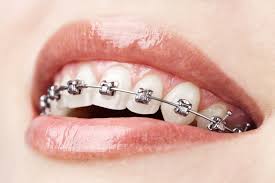
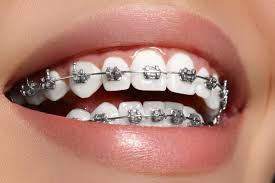
Braces can straighten teeth. They can also put your child’s enamel at risk. During the braces years, plaque collects around brackets and wires. This weakens enamel and raises the chance of white spots, cavities, and gum pain. You may feel worry or even guilt when you see your child struggle to clean around their braces. That reaction is normal. You are not alone, and you are not powerless. With a few steady habits, you can protect enamel and keep treatment on track. This guide walks you through five clear steps you can start today. You will learn how to support brushing, choose the right products, and use your checkups wisely. If you ever feel unsure, a pediatric dentist in La Grange can reinforce these steps and give personal guidance for your child. Your daily choices now can protect your child’s smile for decades.
1. Set a strict brushing and flossing routine
Braces give plaque many hiding spots. You need a set routine that your child follows every day.
Use this simple pattern.
- Brush after breakfast
- Brush after dinner
- Clean between teeth once a day
Each brushing session should last two minutes. Ask your child to clean in three steps.
- Brush along the gumline
- Brush above and below the brackets
- Brush chewing surfaces and the back of teeth
The American Dental Association explains that fluoride toothpaste and a soft bristle brush help protect enamel and remove plaque.
Next, help your child clean between teeth. Regular floss often does not fit around wires. Use these tools instead.
- Floss threaders
- Special braces floss with a stiff end
- Interdental brushes that fit under wires
Stay close at first. Watch and coach. Then let your child take over while you still check the results.
2. Use fluoride for stronger enamel
Fluoride hardens enamel. It makes teeth more resistant to acids from plaque. During braces, this protection matters.
Support enamel in three ways.
- Use fluoride toothpaste twice a day
- Use a fluoride mouth rinse once a day if your dentist agrees
- Ask for fluoride treatments during checkups
Fluoride use is safe when you follow directions. The Centers for Disease Control and Prevention explains how fluoride lowers decay.
You can also check if your tap water has fluoride. If it does, encourage your child to drink it instead of bottled drinks. That habit protects enamel and supports overall health.
3. Control sugar and snack habits
Food choices can either guard enamel or attack it. Braces make this even more clear. Plaque sticks to brackets and wires and feeds on sugar. That process creates acid that wears down enamel.
Focus on three rules.
- Limit sugary drinks
- Limit sticky and chewy snacks
- Reduce all day grazing
Try to keep sugary items to mealtimes. Then have your child rinse with water after eating. Better yet, have them brush.
Use this simple comparison when you choose drinks.
Beverage | Effect on Enamel During Braces | Better Choice
|
|---|---|---|
Soda and sports drinks | High sugar and acid. Strong risk of white spots and cavities. | Limit to rare treats. Rinse and brush after. |
Fruit juice | High natural sugar. Still feeds plaque. | Small portions with meals only. |
Flavored waters with sugar | Often contain hidden sugar and acid. | Check labels. Choose unsweetened options. |
Plain fluoridated tap water | No sugar. Helps rinse food and supports enamel. | Best everyday drink. |
Keep quick, tooth friendly snacks on hand.
- Cheese cubes
- Yogurt without added sugar
- Soft fruits cut in pieces
- Plain nuts if your orthodontist allows
4. Protect teeth during sports and daily habits
Enamel damage can also come from impact and pressure. Braces do not prevent chips or fractures. They can even make trauma more painful.
Take three steps.
- Use a mouthguard for sports
- Stop nail biting and chewing on objects
- Avoid opening packages with teeth
Talk with your orthodontist about a mouthguard that fits over braces. A good guard spreads the force of a hit and lowers the chance of broken enamel and broken brackets.
Also watch for grinding at night. If you hear grinding or see flat edges on teeth, tell your dentist. A night guard might help protect enamel during treatment.
5. Keep regular dental and orthodontic visits
Office visits do more than move teeth. They protect enamel. Your child needs two different types of visits.
- Orthodontic visits to adjust wires and check hardware
- Dental visits for cleanings, exams, and x rays when needed
At dental visits, the team can.
- Remove hardened plaque that brushing misses
- Spot early white spots before they turn into cavities
- Apply fluoride or sealants if appropriate
At orthodontic visits, the team can.
- Check for broken brackets that trap plaque
- Review brushing and flossing skills
- Adjust wires to reduce sore spots that make cleaning hard
Bring questions to every visit. Take photos of any spots or changes you notice between visits so you can show them clearly. That habit helps your child feel heard and involved.
Pulling it together at home
Protecting enamel during the braces years takes steady effort. It does not require perfection. Focus on three daily goals.
- Strong routine for brushing and cleaning between teeth
- Smart choices with drinks and snacks
- Consistent use of fluoride and protective gear
Some days will feel hard. Your child may resist or rush. Stay calm. Use charts, timers, and praise for effort. You are building habits that can last long after the braces come off.
If you feel stuck or worried, reach out to your dentist or orthodontist. Ask them to show your child the white spots that can form around brackets. Seeing the risk can create real motivation.
With your guidance, your child can finish treatment with straight teeth and strong enamel. That outcome is worth every small step you take today.