Strong teeth and gums protect your whole body. You cannot replace them once they are gone. This blog shows you six simple tools dentists use to keep your mouth steady and safe. You learn how cleanings, sealants, fluoride, and careful exams stop decay before it spreads. You see how Seaford dental crowns and other supports save weak teeth from cracking and pain. You also understand how these tools lower infection, protect your heart, and cut down on emergency visits. Each tool works best when you show up on time, ask clear questions, and follow advice at home. Small steps at each visit can prevent years of trouble. You deserve a mouth that lets you eat, speak, and smile without fear.
At each checkup, the dental team cleans your teeth in ways you cannot at home. You brush and floss. Yet sticky plaque still hides under your gums and between teeth. Over time, this turns into hard tartar. You cannot remove tartar with a toothbrush.
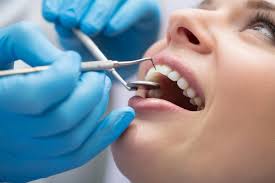
During a cleaning, the hygienist
Scrapes off tartar above and below the gumline
Polishes your teeth to smooth rough spots
Shows you where you miss with brushing and flossing
This lowers your risk of gum disease, bad breath, and loose teeth. It also gives the dentist a clear view of your mouth. You should schedule a cleaning every six months unless your dentist suggests a different plan.
2. Fluoride treatments
Fluoride is a natural mineral that helps your teeth fight decay. It makes the outer enamel layer harder. It also helps repair weak spots before they turn into cavities.
Dentists often use
Fluoride gel or foam in a tray
Fluoride varnish painted on your teeth
These treatments take only a few minutes. You may be asked not to eat or drink for a short time after. Children and teens get strong protection from fluoride. Adults with dry mouth, many fillings, or a history of cavities gain protection too.
3. Dental sealants
Sealants protect the chewing surfaces of back teeth. These teeth have deep grooves that trap food. Even strong brushing may not reach into those grooves. Sealants cover those spots with a thin shield.
The steps are simple
The tooth is cleaned and dried
A light solution prepares the surface
The liquid sealant is painted on
A curing light hardens the material
Sealants are common for children once the first and second permanent molars come in. Adults with deep grooves or early signs of decay can benefit also.
4. Careful exams and x rays
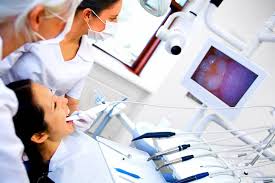
Regular exams and x rays help the dentist see problems before you feel pain. Tooth decay, bone loss, and infections often stay hidden at first.
During an exam, the dentist
Checks each tooth for soft spots or cracks
Measures your gums for signs of disease
Looks at your tongue, cheeks, and throat for early cancer signs
X rays show what the eye cannot see. They reveal cavities between teeth, bone loss, and infections at the roots. By catching these early, you avoid deeper treatment later.
5. Custom mouthguards and night guards
Your dentist may suggest a guard if you grind your teeth, clench your jaw, or play contact sports. These clear trays fit over your teeth. They spread pressure and prevent chips, cracks, and wear.
You might need
A sports mouthguard for games and practice
A night guard to protect your teeth while you sleep
A custom guard from a dentist fits better than one from a store. It stays in place and feels more stable. This keeps your teeth and dental work safe.
6. Restorative supports that prevent bigger damage
Sometimes prevention means acting early when a tooth is weak. Small fillings, bonded repairs, and crowns support teeth so they do not break.
Crowns cover the whole visible part of a tooth. Your dentist may suggest a crown when
A tooth has a large cavity
A crack runs through the tooth
You have had a root canal on that tooth
By placing a strong cover, the dentist prevents deeper fractures, infection, and tooth loss. Early support often saves money and pain later.
Comparison of common preventive tools
Tool
Main purpose
Who benefits most
How often
Professional cleaning
Remove plaque and tartar. Reduce gum disease.
Children, teens, adults, older adults
Every 6 months or as advised
Fluoride treatment
Strengthen enamel. Prevent early decay.
Children, high cavity risk adults
Every 3 to 12 months
Dental sealants
Protect grooves in back teeth from decay.
Children and teens. Select adults.
Lasts several years. Check at each visit.
Exam and x rays
Find problems early and plan care.
Everyone with natural teeth
Exam every 6 to 12 months. X rays as needed.
Mouthguards and night guards
Prevent wear, chips, and sports injury.
Teeth grinders and contact sport players
Nightly or during sports use
Crowns and early repairs
Support weak teeth and prevent fracture.
Teeth with large fillings or cracks
As soon as weakness is found
How you can support these tools at home
These dental tools work best when you keep simple habits at home. You can
Brush twice each day with fluoride toothpaste
Floss once each day
Limit sweet drinks and snacks
Drink water often
Wear your mouthguard or night guard as directed
You do not need perfect teeth to start. You only need the choice to protect what you have now. Regular visits and small daily steps keep your teeth and gums strong for years.