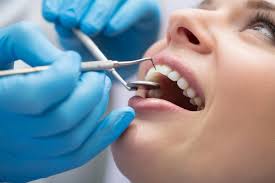
Preventive dentistry protects your mouth before small problems turn into painful emergencies. You focus on simple habits that keep your teeth strong and your gums steady. Regular cleanings, checkups, and X-rays help you catch decay and infection early, when treatment is easier and less costly. Daily brushing and flossing remove plaque that eats away at enamel and irritates your gums. Fluoride, sealants, and healthy food choices give your teeth extra strength and support. Together, these steps lower your risk of cavities, gum disease, bad breath, and tooth loss. They also keep your smile brighter for longer. A Gresham dentist can guide you with clear steps that fit your life and health needs. You gain control, reduce fear, and avoid surprise bills. Preventive care is not a luxury. It is a basic way to protect your comfort, your confidence, and your smile.
You shape your oral health with what you do every day. Three habits matter most.
Brush your teeth twice a day with fluoride toothpaste.
Floss once a day to clean between teeth.
Limit sugary snacks and drinks to mealtimes.
These steps sound simple. They stop plaque from sitting on your teeth. They cut down acid attacks that weaken enamel. They calm gum irritation that leads to bleeding, swelling, and loose teeth.
The Centers for Disease Control and Prevention explains that fluoride protects teeth by rebuilding weak spots in enamel.
How regular checkups protect you
You also need steady care from a dental team. Checkups and cleanings give you three clear forms of protection.
Professional cleaning removes hardened tartar that brushing cannot reach.
Exams and X-rays find decay, cracks, and early gum disease.
Coaching on brushing, flossing, and diet gives you better control at home.
Early problems are smaller, cheaper, and less painful to fix. A tiny cavity needs a short filling visit. A large cavity can hit the nerve and need a root canal or an extraction. That often leads to a crown, bridge, or implant. Those treatments cost more money and time. They also bring more stress.
Prevention versus treatment
The table below shows how preventive steps compare with common treatments. Costs are estimates and vary by clinic and plan. The goal is to show the pattern. Prevention uses less time, less money, and less pain.
Type of care
Example service
Typical frequency
Approximate cost range
Comfort impact
Preventive
Checkup and cleaning
Every 6 months
Low
Minor soreness at most
Preventive
Fluoride treatment or sealant
Every 6 to 12 months
Low
Quick and simple
Restorative
Filling for a cavity
As needed
Medium
Numbing shot and drilling
Restorative
Root canal and crown
As needed
High
Long visit and soreness
Restorative
Extraction and implant or bridge
As needed
Very high
Healing time and chewing limits
You cannot prevent every problem. You can cut risk in a strong way. You can also keep treatment smaller when problems start.
Benefits for children, adults, and older adults
Every age group gains something different from preventive dentistry.
For children, prevention guides growing teeth. It protects baby teeth that hold space for adult teeth. It builds habits that last for life. Fluoride and sealants on back teeth lower cavity risk during school years.
For adults, prevention keeps teeth firm for eating, speaking, and social contact. It helps you manage stress, smoking, and health conditions that affect gums. It also protects your budget by avoiding crisis care.
For older adults, prevention protects against dry mouth, gum recession, and root decay. It supports denture comfort and implant health. It also helps you eat solid food, which supports strength and mood.
Connection between oral health and whole body health
Your mouth links to the rest of your body through blood, nerves, and shared habits. Gum disease is tied to heart disease, diabetes control, and pregnancy problems. Ongoing infection keeps your immune system on high alert. That can drain your strength and mood.
Preventive dentistry lowers inflammation in your gums. It reduces the number of harmful bacteria that can enter your blood. It also supports healthier food choices, because strong teeth help you eat fruits, vegetables, and whole grains.
Steps you can start today
You can start preventive care at home today. Three steps help right away.
Set a timer and brush for two full minutes, morning and night.
Use floss or another cleaner between teeth every night.
Replace sugary snacks with nuts, cheese, or fresh fruit.
Next, schedule a checkup if you have not had one in the last year. Tell the dental team about pain, bleeding, dry mouth, medical conditions, and medicines. Ask for a clear plan that fits your budget and your schedule.
Your next move toward a brighter, healthier smile
Preventive dentistry gives you three main gains. You keep your smile brighter. You lower your risk of pain and infection. You protect your wallet from surprise treatment costs.
You do not need perfect habits. You only need steady ones. Start with one change this week. Add another next month. With each step, you protect your teeth, your gums, and your peace of mind.