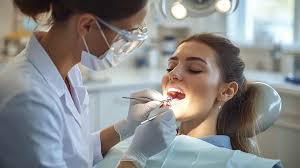
Major surgery shakes your sense of control. You worry about the hospital, the outcome, and the recovery. You may not think about your mouth. Yet your mouth can affect how your body handles surgery and healing. Infections, gum disease, and broken teeth can spread bacteria and strain your immune system when you need strength. Your general dentist can spot these threats early and clear them before they cause trouble. Regular visits to Little Elm dentistry can lower your risk of surgical delays, infections, and sudden pain right before your procedure. Your dentist can also review your medicines, adjust dental work, and share records with your medical team. You gain one more layer of safety. You also gain one less thing to fear on surgery day.
Your mouth is full of bacteria. Most stay in balance. When you have gum disease, tooth decay, or abscesses, that balance breaks. Bacteria can enter your blood and settle in weak spots. Surgery creates weak spots. Joints, heart valves, and healing wounds can all attract bacteria.
Research shows a strong link between gum disease and heart disease. The Centers for Disease Control and Prevention explains that almost half of adults over 30 have some form of gum disease.
Before surgery, you want your body to fight one battle at a time. Your dentist helps you remove hidden dental infections so your body can focus on healing from surgery.
How your dentist works with your medical team
Your dentist is part of your care team. You may not see that link at first. Medical and dental records often live in separate systems. Still, your dentist can share key facts that help your surgeon and anesthesiologist plan safe care.
Your dentist can
Send recent x rays and exam notes
List current dental infections or gum disease
Explain any missing teeth, dentures, or implants
Note past problems with bleeding or healing after dental work
Your surgeon and anesthesiologist can then adjust your care. They can choose safe breathing tubes, plan head and neck support, and time surgery around needed dental treatment.
Medicines, allergies, and bleeding risks
Before major surgery, you may start or stop certain medicines. Some can affect your mouth. Others change how you respond to dental work.
Your dentist needs to know if you take
Blood thinners such as warfarin, apixaban, or aspirin
Drugs for bone strength such as bisphosphonates
Cancer treatments that affect healing or immunity
Steroids for long periods
Your dentist and surgeon can then plan the right order. Sometimes you treat teeth first. Other times you adjust medicines so dental care stays safe.
Common surgeries that need dental checkups first
Some procedures carry higher risk if you have untreated dental problems. Your surgeon may even require dental clearance.
Examples of surgeries and why dental care matters
Type of surgery
Why your mouth matters
Typical dental steps before surgery
Heart valve or heart bypass surgery
Bacteria from teeth and gums can infect heart tissue and valves.
Full dental exam. Treat decay, gum disease, and abscesses. Plan antibiotics if advised.
Joint replacement surgery
Infections from the mouth can spread to new joints.
Check for loose teeth, infection, and gum disease. Remove or treat risky teeth.
Cancer treatment with chemo or radiation to head and neck
Dry mouth and low immunity raise risk of sores and infection.
Address decay, sharp edges, and gum problems. Plan fluoride and dry mouth care.
Organ transplant surgery
Strong anti rejection drugs lower immune defenses.
Clear all active infection. Set a strict home care and checkup schedule.
What to expect at a pre surgery dental visit
You can think of this visit as a safety check. Your dentist looks for anything that could flare up during or after surgery.
You may receive
A full mouth exam and medical history review
X rays to spot deep decay, abscesses, and bone loss
Gum measurements to check for disease
A cleaning to remove plaque and tartar
If your dentist finds problems, you may need
Fillings for cavities
Root canal treatment for infected teeth
Tooth removal if a tooth cannot be saved
Deep cleaning for gum disease
Your dentist will time this work so your mouth heals before surgery. That timing matters. You want swelling and soreness gone before you enter the hospital.
Protecting your mouth during and after surgery
Your dentist also helps you plan for the time in the hospital and the days after.
You can ask your dentist to
Explain how to clean your mouth if you cannot stand at a sink
Recommend soft brushes, mouth rinses, or sponges
Review how to care for dentures or retainers in the hospital
Plan short follow up visits once you return home
Good mouth care during recovery can lower pain, improve eating, and protect your new joint, heart valve, or organ from infection.
Simple steps you can take today
You do not need a surgery date to start. You can lower risk now.
Schedule a dental checkup twice a year
Brush two times a day with fluoride toothpaste
Clean between teeth once a day with floss or other tools
Tell your dentist about any planned or past surgeries
Carry a list of your medicines to every appointment
Your body works as one system. When you care for your mouth, you protect your heart, joints, and organs as well. Before major medical procedures, your general dentist gives you one more shield. You face surgery with fewer hidden threats and more control over your health.